

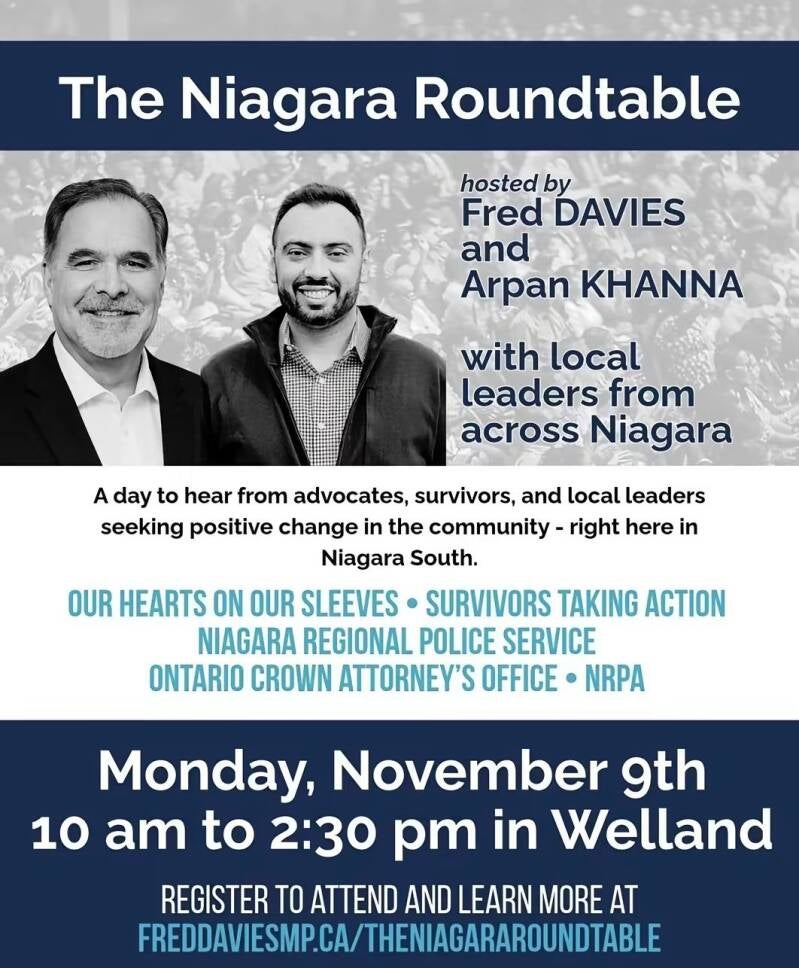
As one of the City Councillor-elect for Ward 1 in Welland, my commitment to our community has always been deeply personal. Whether advocating for local families, supporting our business community, or standing up for the vulnerable among us, I believe local leaders have a duty to look the hard truths in the eye and fight for real, actionable solutions.
On Monday, November 9, 2026, I had the privilege of attending a powerful, high-profile criminal justice and public safety roundtable right here in Welland. Hosted by Fred Davies, MP for Niagara South, this intensive, two-part day of meetings served as a crucial national platform prioritizing the lived experiences of survivors. It brought together federal legislators, frontline law enforcement, Crown prosecutors, municipal leaders, and grassroots advocates to confront a growing crisis in our justice system and demand accountability.
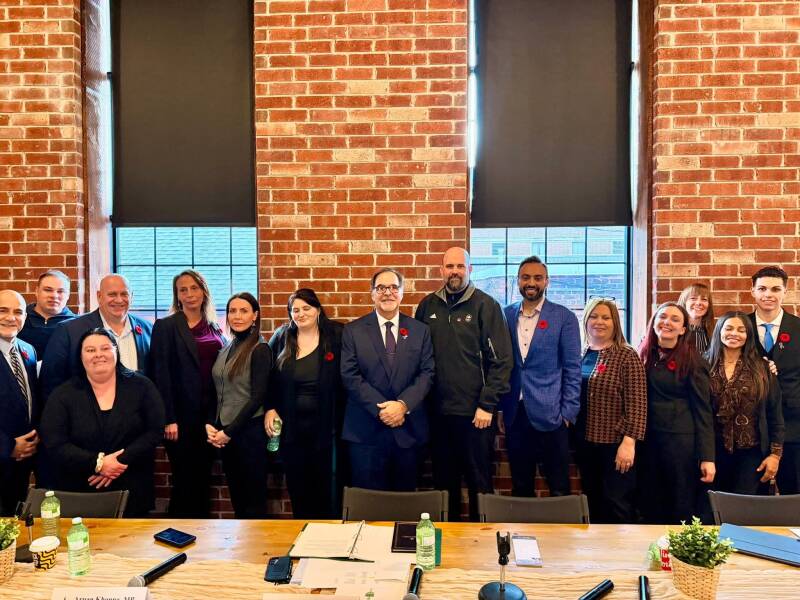
Distinguished Hosts, Leaders, and Experts
The breadth of expertise and leadership in the room underscored just how critical this conversation is for the Niagara Region and across Canada:
Fred Davies — MP for Niagara South and Roundtable Host
Arpan Khanna — MP for Oxford (serving as a key Conservative voice and member of the House of Commons Standing Committee on Justice and Human Rights)
Tony Baldinelli — MP for Niagara Falls—Niagara-on-the-Lake
Dean Allison — MP for Niagara West
Ned Kuruc — MP for Hamilton East—Stoney Creek
The afternoon expert panels brought forward invaluable professional perspectives from the Ontario Crown Attorney’s Office (featuring Assistant Crown Attorney Holly Nickel, recognized for her decades of fearless work prosecuting child abuse), the Niagara Regional Police Service (NRPS) (featuring Superintendent David Masotti, overseeing investigative services including sexual assault, child abuse, and human trafficking units), and the Niagara Police Association (featuring President Scott Crozier and legal counsel Sarah)
Amplifying Survivors' Voices: The Core of Our Mission
The morning session was dedicated to the harrowing, courageous testimonies of survivors and grassroots organizations—including Our Heart On Our Sleeve (founded by Alicia Googoo) and Survivors Taking Action (co-founded by Tammy Riley and Liz Emerson).
Listening to survivors recount the systemic failures they faced was both heartbreaking and entirely clarifying. Their stories laid bare a painful reality: somewhere along the way, the rights of criminals began to outweigh the rights of victims and law-abiding citizens.
Key pillars of survivor advocacy at the roundtable included:
- A Public National Sex-Offender Registry: Building on petitions like Petition E7645 and Petition 7098, advocates called for a nationally coordinated, publicly accessible registry (similar in accessibility to American models) showing names, photographs, conviction information, and general regional locations so families can make informed safety choices.
- Protecting Child Witnesses: Highlighting how grueling court delays, repeated preliminary proceedings, and prolonged cross-examinations re-traumatize young victims, advocates urged strict judicial safeguards and time-management rules.
- Plea Deal and Sentencing Reform: Bringing attention to cases where multiple charges are heavily reduced or concurrent sentences fail to reflect the true scope of violence, speakers demanded an end to bundled punishments for separate offenses against separate children.
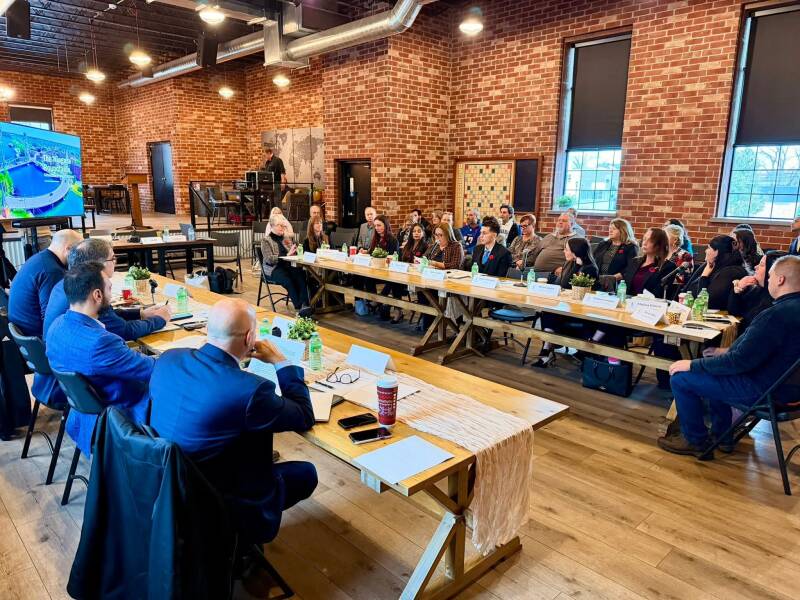
Examining Legislative Gaps and Defeated Commons Bills
During the legislative discussions, parliamentarians addressed the federal framework, pointing to the legislative impacts of Bill C-75 (which codified the principle of restraint, mandating that the accused be released at the earliest opportunity under the least restrictive conditions) and Bill C-5 (which removed mandatory minimum sentences for several serious offenses).
The roundtable closely examined specific private member's bills and legislative packages put forward by the Conservative opposition that were voted down in Parliament, which members argued are vital to restoring public safety:
- Bill C-246: Designed to establish mandatory consecutive sentencing for sexual offenders, ensuring that multiple crimes against multiple victims receive cumulative punishment rather than running concurrently.
- Bill C-220: Proposed removing the consideration of an offender's immigration status or fear of deportation by judges as a mitigating factor to hand down lenient sentences, reinforcing the principle of "one law for all" .
- Bill C-243: Aimed at reforming parole hearing rules to prevent victims from having to repeatedly relive their trauma by participating in endless, recurring parole hearings.
- The "Jail Not Bail" Act: A comprehensive 15-point reform package proposed to repeal the principle of restraint, make public safety the primary consideration in all bail hearings, ban individuals with criminal records from acting as sureties, require non-citizens to deposit passports, and reverse the onus onto violent repeat offenders to justify release.
Participants also discussed Bill C-14 (passed in June 2026), with Crown and law enforcement experts noting that while minor adjustments were made to reverse-onus provisions, the legislation did not go far enough in specifically giving out offenses against children or fixing foundational flaws in the bail system.
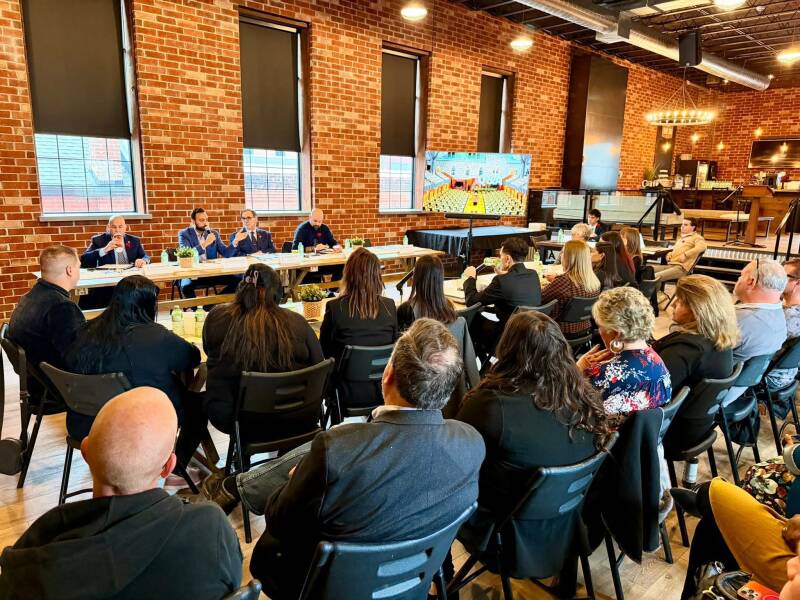
The Frontline Perspective: Policing, Resources, and Investigator Trauma
The afternoon expert panel grounded the political discussion in the daily realities of policing in Niagara.
- Investigative Demands & Digital Complexity: Superintendent David Masotti outlined how the NRPS Sexual Assault and Child Abuse Units expanded earlier in the year (each growing from 6 detective constables and 1 sergeant to 8 detective constables and 2 sergeants) to handle rising caseloads and extreme complexities. Investigators now face massive digital evidence burdens—such as phone extractions exceeding 20,000 pages and encrypted messaging apps—requiring intensive, manual human review under strict time constraints.
- The Recruitment and Morale Crisis: Niagara Police Association President Scott Crozier and legal counsel Sarah highlighted a severe national recruitment crisis (with applicant pools dropping by over 50% in many services). Frontline officers experience deep disillusionment when making difficult arrests, only to see repeat offenders released back onto the streets hours later. Furthermore, Sarah noted the immense scale of parole enforcement in Ontario, pointing to specialized joint operations (like the provincial ROPE squad) executing nearly 1,000 arrests and recovering dozens of firearms annually.
- Investigator Wellness: Stressing the heavy toll of vicarious trauma and compassion fatigue, Scott Crozier advocated for investigators to be permitted their own victim-impact statements at sentencing to articulate the profound emotional strain of these investigations.
Moving Forward: A Holistic Municipal-Federal Approach
As a city councillor stepping into office in Ward 1, I left this roundtable with a profound sense of urgency and resolve. Community safety cannot be treated as a partisan talking point; it is the foundational bedrock of a thriving municipality.
Whether it is advocating at the municipal level for enhanced victim services, pushing for better mental health and trauma-informed recovery supports over simplistic "housing-first" approaches to homelessness, or supporting our local police boards and frontline first responders, we must maintain a holistic, all-hands-on-deck approach.
We cannot erase the past for those who have already suffered, but we have an absolute obligation to fight for what happens next.
To review the full portfolio of recommendations and outcomes from this historic roundtable, please visit MP Fred Davies’ official resource page: https://www.freddaviesmp.ca/theniagararoundtable
Add comment
Comments